
Brands Hesitated With Marketing on Social Media, and They’re Doing the Same With Influencers
As algorithms change, it’s becoming a more trustworthy strategy
Influencer marketing has become what social media was half a decade ago. Brands know they should be doing it, but not sure how to get started or even how to measure success.
Influencer Identification
One of the biggest mistakes brands make is rushing right to identification with ideas of who they want the influencer to be before taking a step back and defining what influence means, who they’re trying to influence and doing research around who influences them. We need to find the right people that are aligned with what the brand is ultimately trying to achieve. There’s often a difference between influencers who are successful at generating awareness versus changing perception or driving action.
Once this has been established, it’s important to determine whether many micro-influencers versus lesser celebrity or other macro-influencers are preferable. It may not be important how many followers and influencer has, but the quality and the niche marketing of their followers. Size doesn’t always matter.
There are a number of technologies and networks in the influencer space that can be leveraged for the identification portion. The important things to consider when vetting these partners are matching their capabilities to your needs as it relates to measurement, brand safety (content adjacency, thematically and competition), management of the influencer process and options for amplification.
Measurements for Success or Failure
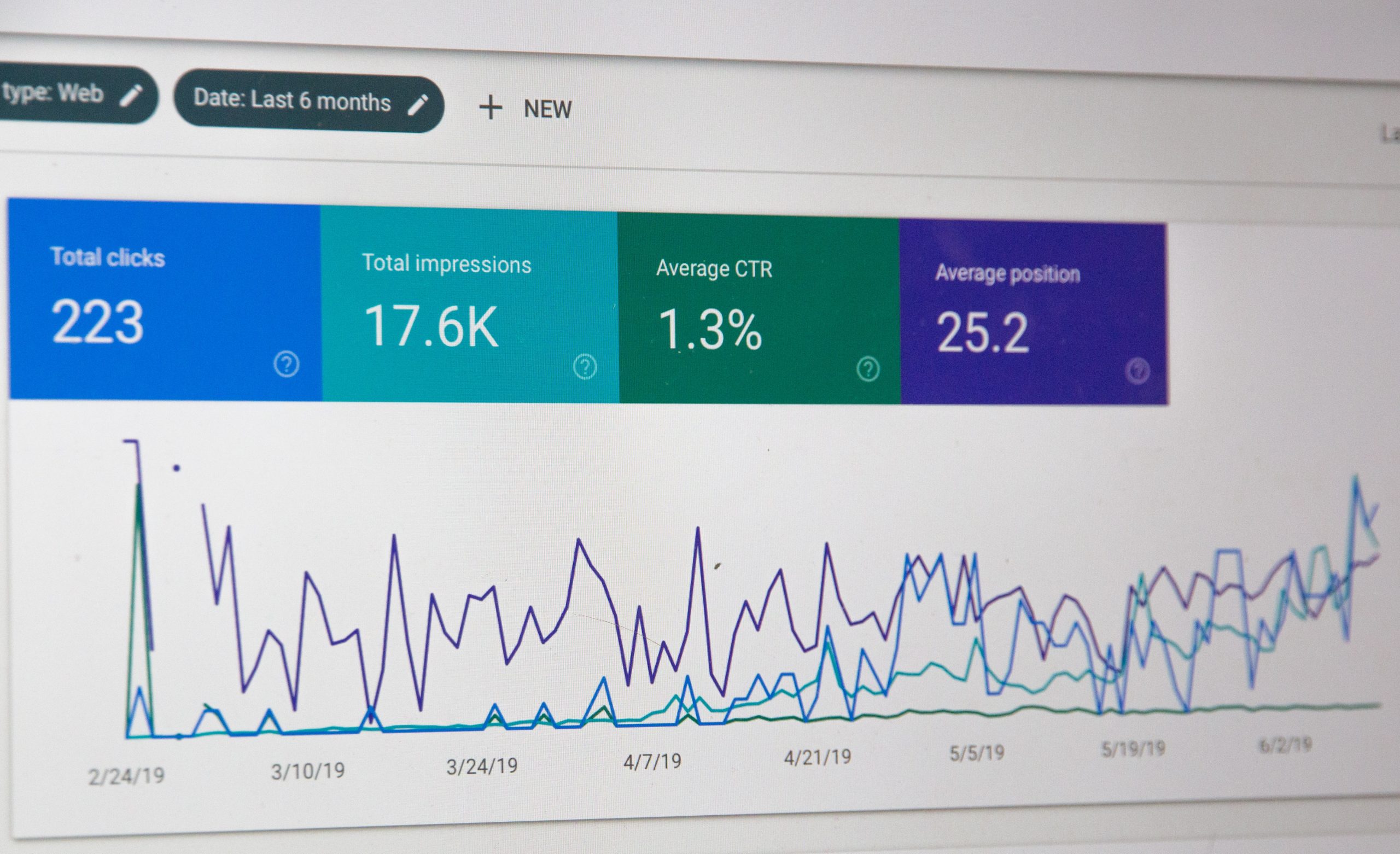
When social media first became a standard part of media planning, the metrics used to measure performance were limited to aggregate engagement metrics that we now know are not correlated to business objectives. There’s a tendency to use the same influencer because many brands aren’t sure what the other options are.
It is called influencer marketing for a reason and thus should ultimately drive sales or other business objectives. Therefore, the KPIs and measurements should be aligned with other digital marketing efforts as much as possible. Most commonly, brand lift studies measuring awareness, perception and intent are implemented. In the case of mid- or lower-funnel performance objectives, cost-per-click (CPC) and return on ad spend (ROAS) metrics are the primary KPIs. Whenever possible, click trackers and/or site analytics tags should be implemented, and reporting should be transparent between influencer, partner or technology and the end advertiser.
Management – Influencer Checks & Balances
Sometimes half the battle is the management of the influencers and the back-and-forth communication, creative review and approval, contract terms and payment, which includes the legal elements around sponsorship disclosure.
When choosing a partner, whether it is a technology, agency or influencer management company, it’s important to understand which pieces of the process they handle, are liable for and how flexible that is to match with the brand’s needs for ownership of certain elements. Often overlooked is the legal aspect, payment, management of sampling and product support and understanding how to write terms and conditions that account for paid amplification of the content by the brand.
Ramping Up with an Influencer
One of the underrated benefits of influencer marketing, beyond the business results, is the creation of content. Oftentimes, at least some—if not all—of the content created by influencers can be leveraged by the brand in paid campaigns and in other collateral for the long-term. However, if this is not included in the terms and conditions, it could mean that, once a brand gets started with the influencer, the brand is unable to use the content in any paid advertising, including paid social amplification.
Influencers tend to generate really strong organic reach, which is part of their value. However, paid amplification from the brand or by the brand on behalf of the advertiser with more targeted and trackable media than organic can offer is how results are scaled. Without this, there’s opportunity left on the table.
Therefore, you must pay close attention to content rights during the management stage. A paid amplification plan including but not limited to the planned source (will the sponsored post come from the brand or the influencer, for instance), targeting, tracking needs and alignment on bidding KPI all need to be determined ahead of time. Bottom line is: Who owns the content. Make sure you are aware of this and where is should be coming from.
Much like the social media space as a whole, the influencer marketing space is ever-evolving and growing in terms of complication and sophistication—but also in opportunities for brands. Thinking ahead through all aspects of what is wanted and needed from the influencer and what the brand is looking to truly accomplish is critical to these efforts driving true business outcomes.